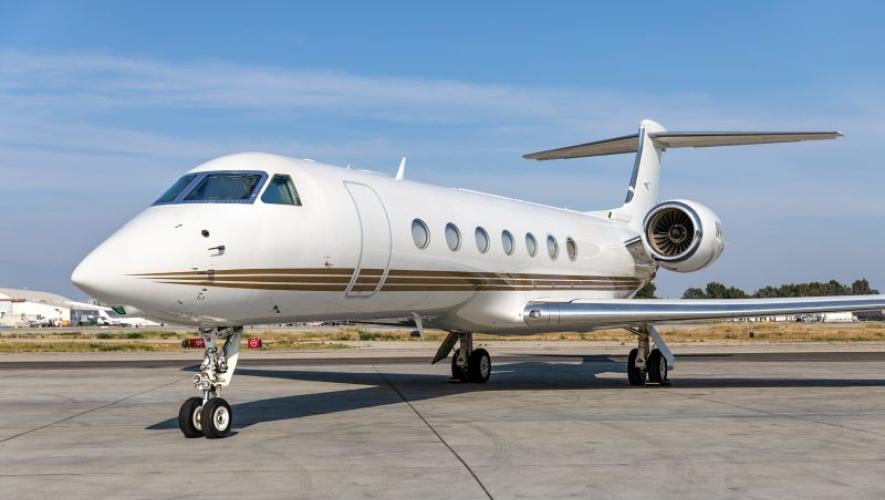
Qatar-based Rizon Jet says the country’s Civil Aviation Authority (CAA) is unfairly blocking the company’s plans to expand its business aviation services. The privately owned group charged on Tuesday that it is “facing hindrances that make it impossible to sustain a viable business in Qatar.”
Regulations and Government
News about bills, laws, regulations and other governmental decisions affecting aviation and aerospace. Topics include FAA reauthorizations, taxes on fuel and aviation activities, environmental legislation, ICAO decisions, governmental mediation of labor conflicts and World Trade Organization disputes and decisions.
Rep. Rick Larsen (D-Wash.) is now the top House Democrat on aviation issues after colleagues voted him to sit on the House Transportation and Infrastructure Committee. He will also serve as the ranking member on the aviation subcommittee, which has jurisdiction over all aspects of civil aviation, including safety, infrastructure, labor, commerce and international issues. The subcommittee also oversees the FAA.
This morning at the opening session of NBAA’s 24th annual Schedulers & Dispatchers Conference, NBAA president and CEO Ed Bolen looked to the start of the new session of Congress and used his podium to issue an impassioned plea for show attendees to contact their representatives, requesting they join the general aviation caucus.
A new Reason Foundation study argues that U.S. passenger airports could support themselves and fund capacity improvements with user fees and long-term financing, eliminating the need for government grants from the Airport Improvement Program (AIP). The study by the libertarian research organization also proposes spinning off the FAA’s Air Traffic Organization (ATO) into a separate federal entity that charges users for ATC services.
Aviation alphabet groups praised the appointment of Rep. Frank LoBiondo (R-NJ) to serve as the new chairman of the aviation subcommittee of the U.S. House of Representatives’ Committee on Transportation and Infrastructure during the 113th Congress. The subcommittee has jurisdiction over civil aviation in the U.S., including most aspects of the FAA, TSA and NTSB.
TAG Aviation has introduced a new measure to manage noise at the UK’s Farnborough Airport. Since January 1, jet aircraft that do not meet the ICAO Chapter/Stage IV standard have been banned from using the airport. This noise standard is ICAO’s most stringent and quietest classification for jet aircraft. To ensure compliance, TAG requires approved noise certificates before permission can be granted to land or take off at the airport. Approximately 300 movements last year would not meet the new standard, it said.
NBAA has joined more than 50 groups and organizations in petitioning the U.S. Office of Management and Budget (OMB) to ensure that President Obama’s budget request includes adequate funding for U.S. Customs and Border Protection (CBP) staffing at U.S. ports of entry. In a joint letter sent on Thursday to OMB acting director Jeffrey Zients, the signatories–which include the U.S.
The first 100-percent civil biofuel flight, conducted on October 29 in a Falcon 20, showed that the fuel is cleaner and just as efficient as conventional jet-A, according to results released by the National Research Council (NRC) of Canada. Information collected in flight and analyzed by the NRC revealed a 50-percent reduction in aerosol emissions.
The line has sharpened between airlines and labor groups over the FAA’s decision to exclude all-cargo operations from its new, stricter pilot flight duty rule, scheduled to take effect in January next year. Airlines for America (A4A), the trade organization representing major U.S. airlines, issued a statement on January 7 reaffirming its support of the duty rule as published and urging Congress to reject new legislation that would change the rule to include all-cargo carriers.
Despite his rhetoric during a presidential debate that “corporate jets” should not get tax breaks, President Obama signed a bill–the American Taxpayer Relief Act of 2012–last week that extends the 50-percent accelerated depreciation for capital goods, notably including business aircraft, through the end of this year.